
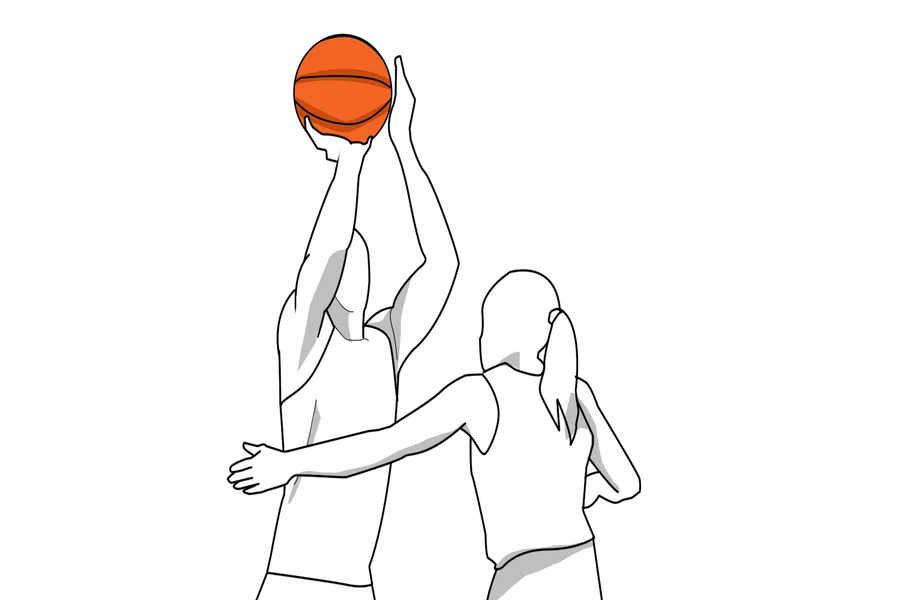
Learning how to make every shot you take tshousebasketball starts with one honest point: no basketball player makes every attempt. Even skilled shooters miss. The real goal is to build a shot that is balanced, controlled, repeatable, and reliable under pressure.
You do not need a complicated motion. You need solid footwork, a comfortable grip, a clear target, and a smooth release. You also need focused practice. Repeating poor form will not produce consistent results. Repeating good form gives your body a shooting motion it can trust.
This guide explains each part of the process. It also includes drills, common mistakes, practice plans, platform meanings, examples, and short FAQ answers.
How Can You Make More Basketball Shots?
To make more shots:
- Set your feet before receiving the ball.
- Stay balanced throughout the motion.
- Place your shooting hand behind the ball.
- Keep your guide hand on the side.
- Focus on one part of the rim.
- use your legs for power.
- Release the ball with a relaxed wrist.
- Hold your follow-through.
- Track makes and misses.
- Practice at game speed.
The main lesson behind how to make every shot you take tshousebasketball is consistency. Your setup, target, release, and landing should look similar on each attempt.
Structured Fact Table
| Shooting Element | What to Do | Why It Helps |
| Feet | Keep them around shoulder-width apart | Creates a stable base |
| Balance | Keep your weight under control | Prevents leaning and drifting |
| Target | Focus on one part of the rim | Improves visual consistency |
| Shooting hand | Place it behind the ball | Directs the shot forward |
| Guide hand | Keep it on the side | Stops unwanted side spin |
| Legs | Bend and extend smoothly | Produces controlled power |
| Elbow | Keep it naturally under the ball | Supports a straighter release |
| Wrist | Snap it forward and down | Produces backspin |
| Follow-through | Hold it until the ball reaches the rim | Reinforces a complete release |
| Landing | Land balanced and under control | Shows that the body stayed aligned |
| Practice | Record makes and attempts | Measures real progress |
| Game training | Add movement and pressure | Helps practice transfer to games |
What Does “How to Make Every Shot You Take TSHouseBasketball” Mean?
The phrase how to make every shot you take tshousebasketball appears to represent a search for basketball shooting advice connected with TSHouseBasketball or TheSportsHouse basketball content.
It does not mean that a player can achieve a permanent 100% shooting rate. Instead, users searching the phrase are usually looking for ways to:
- Improve shooting form
- Become more accurate
- Fix common misses
- Build confidence
- Find useful drills
- Shoot better during games
- Develop a repeatable routine
Good shooting is not based on one secret movement. It comes from combining several small habits.
Meanings Across Platforms
How the Keyword Is Used Online
| Platform | Likely Meaning or Search Intent | Example Search |
| A detailed guide to basketball shooting | How to improve basketball shooting accuracy | |
| YouTube | A video showing form and drills | Basketball shooting form tutorial |
| Short shooting tips or training clips | Quick basketball shooting drill | |
| TikTok | Fast demonstrations and common fixes | How to stop missing jump shots |
| Shared coaching posts or discussion | Best shooting drills for young players | |
| Visual training plans or form charts | Basketball shooting workout chart | |
| Advice from players and coaches | Why does my shot keep missing left? | |
| Sports websites | A full explanation of shooting mechanics | How to develop a consistent jump shot |
The intent behind how to make every shot you take tshousebasketball is mainly educational. Readers want direct instructions rather than general basketball news.
Read Also: Lando Norris Height: Complete Guide to His Height, Biography, Career and F1 Facts
How to Make Every Shot You Take TSHouseBasketball With Better Form
A reliable shot begins before the ball reaches your hands. You must prepare your feet, body, and eyes early.
1. Build a Stable Base
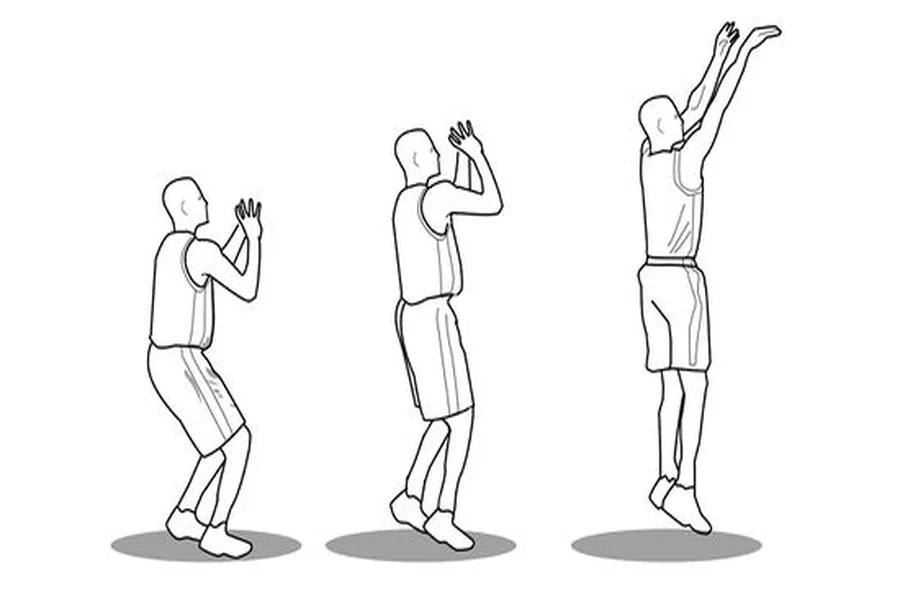
Your legs create the foundation of your shot. Place your feet around shoulder-width apart. A slightly staggered stance often feels more natural than placing both feet perfectly even.
Your shooting-side foot can sit a little ahead of the other foot. Avoid forcing your toes into an uncomfortable position. Your stance should help your shooting shoulder and arm face the basket naturally.
Keep your knees soft. Do not stand straight and then suddenly drop before shooting. Prepare your lower body early so the shot can move in one smooth action.
A stable base helps you control both direction and distance. Adidas describes the base, hold, and release as three core parts of a basketball shot. It also notes that much of the shot’s power begins in the legs.
2. Stay Balanced
Balance affects every part of the shot. A player who leans sideways must adjust the arm during release. That creates more room for error.
Check your balance by watching where you land. On a normal jump shot, you may land slightly ahead of where you started. However, you should not fall sideways or kick one leg far away from the other.
Use these balance checks:
- Did you begin under control?
- Did you jump mainly upward?
- Did your shoulders stay steady?
- Did you land without stumbling?
- Could you repeat the same movement?
When studying how to make every shot you take tshousebasketball, remember that arm mechanics cannot fully correct a poor base.
3. Prepare Your Hands Early
Your shooting hand should sit behind and slightly under the basketball. Your fingers should spread comfortably.
Avoid pressing the full ball tightly against your palm. Keeping more control through the finger pads can help produce a cleaner release and better backspin.
The non-shooting hand is the guide hand. Place it on the side of the ball. Its job is to support the ball before release. It should not push the ball toward the basket.
If the guide hand turns or pushes during release, the ball may travel left or right.
4. Find a Repeatable Shot Pocket
The shot pocket is the position where the upward shooting motion begins. It is often around the waist or lower chest area, depending on the player and situation.
Do not move the ball through a different path on every attempt. Bring it into a familiar position before lifting it toward the release point.
A consistent shot pocket can help you shoot faster because you are not searching for the ball before each attempt.
5. Choose One Target
Do not look at the entire backboard, ball, defender, and rim at the same time. Choose a small target.
Players commonly focus on:
- The front of the rim
- The back of the rim
- The center of the hoop
- A rim hook or eyelet
There is no need to switch targets after every miss. Pick one clear point and test it over several practice sessions.
Breakthrough Basketball recommends locating the target early and keeping the eyes focused on it. Early target recognition helps a player judge direction and distance.
6. Keep the Shooting Motion Straight
Bring the ball upward rather than swinging it around your head. Your shooting elbow should remain in a comfortable position beneath the ball.
Do not force the elbow tightly inward. Forced alignment can make the motion stiff. Instead, adjust your feet and grip until your elbow naturally follows a direct path.
Think about sending your shooting hand toward the basket. Your body should transfer energy through the legs, core, arm, wrist, and fingers.
USA Basketball describes a shooting-side power line involving the foot, knee, hip, shoulder, elbow, hand, and eye.
7. Use Your Legs for Distance
A common mistake is trying to throw the ball farther by pushing harder with the arms. This often creates a flat shot and a tense release.
Use your legs to create power. Bend slightly and extend upward as the ball rises. Your arm can then guide the ball rather than forcing it.
For longer shots, generate more energy from the floor. Do not completely change your upper-body mechanics.
This is one of the most important parts of how to make every shot you take tshousebasketball because poor power transfer causes many short misses.
8. Release the Ball Smoothly
The ball should leave your shooting hand as the elbow extends and the wrist moves forward. Let it roll from your fingers instead of pushing it with a stiff palm.
A smooth wrist movement helps create backspin. Backspin does not guarantee a make, but it is a useful sign that the ball left the hand cleanly.
Avoid snapping the wrist with unnecessary force. The release should feel relaxed and connected to the rest of the motion.
9. Hold Your Follow-Through
After releasing the ball:
- Keep your shooting arm extended.
- Let your wrist relax downward.
- Point your fingers toward the target area.
- Keep the guide hand quiet.
- Hold the position until the ball reaches the rim.
The follow-through does not control the ball after release. However, holding it helps you complete the motion instead of cutting it short.
A high finish can also support better arc. A rushed or low finish often produces a flatter attempt.
10. Land Under Control
Your landing provides quick feedback. A balanced landing usually means the motion was under control.
Check whether your feet land in a similar position. If you constantly drift left, right, or backward, review your starting stance.
Shooting is a full-body skill. The ball may leave your hand, but your feet and core have already influenced its path.
Why You Keep Missing Basketball Shots
Misses provide information. Instead of becoming frustrated, identify the direction and likely cause.
Why Shots Miss Left
A right-handed shooter may miss left because:
- The guide hand pushes the ball.
- The shooting arm crosses the body.
- The feet point too far away from the basket.
- The player rotates in the air.
- The ball leaves the wrong fingers.
Why Shots Miss Right
Possible causes include:
- The shooting elbow moves outward.
- The wrist turns during release.
- The body leans right.
- The ball starts too far outside the body.
- The player rushes the upward motion.
Why Shots Fall Short
A short miss may come from:
- Limited leg power
- Releasing too early
- A low follow-through
- Tired legs
- Standing too far from the player’s comfortable range
- Slowing down before release
Why Shots Go Long
A long miss may come from:
- Too much arm force
- A sudden leg extension
- Leaning forward
- Releasing with excess tension
- Changing the normal rhythm
Why Shots Hit the Side of the Rim
Side-rim misses often point to an alignment problem. Check your base, guide hand, elbow path, and landing.
The goal of how to make every shot you take tshousebasketball is not to fear misses. It is to understand what each miss tells you.
Basketball Shooting Mistakes and Fixes
| Common Mistake | What Usually Happens | Simple Fix |
| Guide hand pushes | Ball misses sideways | Keep the guide hand still |
| Feet change each shot | Direction becomes inconsistent | Use the same basic stance |
| Player watches the ball | Target focus disappears | Keep eyes on the rim |
| Shot begins too low | Release becomes slow | Prepare the shot pocket early |
| Palm controls the ball | Backspin becomes uneven | Use the finger pads |
| Elbow moves outward | Ball travels sideways | Review grip and foot position |
| Arms create all the power | Shot becomes tense | Use the legs |
| Follow-through stops early | Shot becomes flat or short | Finish high and hold |
| Player moves too far away | Form breaks down | Train closer to the hoop |
| Practice is rushed | Mistakes become habits | Use deliberate repetitions |
The Best Form-Shooting Drill
Form shooting is one of the simplest ways to develop control.
How to Do It
- Stand a few feet from the basket.
- Use a balanced stance.
- Place your shooting hand behind the ball.
- Keep the guide hand quiet.
- Focus on one target.
- Shoot with a smooth release.
- Hold the follow-through.
- Stay in the same spot until you make several clean shots.
- Move back only when your form remains stable.
Start close enough that you do not need to force the ball. This allows you to focus on direction, touch, and release.
Suggested Form-Shooting Goal
| Stage | Distance | Goal |
| Stage 1 | Directly beside the rim | Make 10 clean shots |
| Stage 2 | A few feet away | Make 10 from three angles |
| Stage 3 | Short mid-range | Make 5 from five spots |
| Stage 4 | Free-throw area | Make 10 with full routine |
| Stage 5 | Game spots | Make shots after movement |
Do not race through the stages. The purpose is to build quality.
Five-Spot Shooting Drill
Choose five positions:
- Left baseline
- Left wing
- Center
- Right wing
- Right baseline
Take five shots from each location. Record your makes out of 25.
Repeat the drill after a short rest. Compare your scores rather than relying on memory.
Example Tracking Table
| Session | Makes | Attempts | Percentage | Main Note |
| Session 1 | 11 | 25 | 44% | Missed short |
| Session 2 | 14 | 25 | 56% | Better leg use |
| Session 3 | 15 | 25 | 60% | Guide hand stayed quiet |
| Session 4 | 17 | 25 | 68% | More balanced landings |
Tracking results makes how to make every shot you take tshousebasketball more practical. It shows whether your training is working.
Read Alos: A’ja Wilson Age: The Real Number Behind Her Record-Breaking Career
Catch-and-Shoot Drill
Many game shots begin with a pass. You must prepare before catching the ball.
Steps
- Start in an athletic stance.
- Show your hands to the passer.
- Locate the rim early.
- Catch the ball in or near your shot pocket.
- Set your feet quickly.
- Rise without pausing.
- Hold the follow-through.
Practice from both sides of the court. Add movement after your basic footwork becomes reliable.
One-Dribble Pull-Up Drill
The pull-up jump shot requires control after movement.
- Begin outside your chosen shooting spot.
- Take one strong dribble.
- Stop with balanced footwork.
- Bring the ball into the shot pocket.
- Rise straight up.
- Release smoothly.
- Land under control.
Start slowly. Speed matters only after the movement is stable.
Free-Throw Routine
A free throw gives you time to repeat the same setup. Create a routine that is simple and comfortable.
Your routine may include:
- Setting your feet
- Taking one breath
- Bouncing the ball a fixed number of times
- Looking at your target
- Bending your knees
- Shooting in one smooth motion
- Holding your follow-through
Do not add extra movements without a reason. A routine should settle your attention rather than create more things to remember.
How to Practice for Game Pressure
Making shots alone is different from shooting while tired or guarded. After building basic mechanics, make practice more realistic.
Try these progressions:
- Shoot after a short sprint.
- Shoot after changing direction.
- Add a passive defender.
- Add a closing defender.
- Set a time limit.
- Require a certain number of makes.
- Practice after dribbling.
- Practice after receiving different passes.
- End sessions with free throws while tired.
Do not begin every workout under heavy pressure. Build the movement first. Then test it.
A 30-Minute Shooting Workout
| Time | Activity | Main Focus |
| 0–5 minutes | Close form shooting | Hand placement and release |
| 5–10 minutes | Five-spot shooting | Balance and target focus |
| 10–15 minutes | Catch-and-shoot attempts | Foot preparation |
| 15–20 minutes | One-dribble pull-ups | Controlled stopping |
| 20–25 minutes | Game-speed shots | Movement and decision-making |
| 25–30 minutes | Free throws | Routine and concentration |
Quality matters more than launching as many shots as possible. Stop briefly when your mechanics break down.
A Seven-Day Shooting Plan
| Day | Training Focus |
| Day 1 | Form shooting and free throws |
| Day 2 | Five-spot mid-range shooting |
| Day 3 | Catch-and-shoot footwork |
| Day 4 | Light recovery and form review |
| Day 5 | Pull-ups and movement shooting |
| Day 6 | Game-speed shooting and pressure |
| Day 7 | Test session and result tracking |
This schedule can be adjusted around team practice, school, rest, and other activities.
How to Build Shooting Confidence
Confidence comes from preparation. Telling yourself to feel confident does not replace practice.
Use these habits:
Measure Your Progress
Track makes, attempts, locations, and miss patterns. Small improvements become easier to see.
Use a Pre-Shot Cue
Choose one short reminder such as:
- “Balanced.”
- “See the rim.”
- “Smooth.”
- “Hold the finish.”
Do not think about six technical points while shooting in a game.
Accept Misses
Every shooter misses. One missed attempt does not predict the next result. Review it, make a small correction, and continue playing.
Practice Useful Shots
Spend more time on shots you are likely to take during games. A center, guard, and wing may need different practice locations.
Stay Within Your Range
A good shot taken inside your comfortable range is more useful than a forced attempt from too far away.
How to Select Better Shots
Accuracy is connected to shot selection. Even strong mechanics cannot turn every difficult attempt into a good decision.
Before shooting, consider:
- Am I balanced?
- Am I within my range?
- Is the defender close enough to affect the attempt?
- Is a teammate in a better position?
- Is there enough time on the shot clock?
- Can I reach my normal release?
- Is this a shot I practice?
Learning how to make every shot you take tshousebasketball should include learning when to shoot.
Social Media Link Table
| Platform | Useful Content to Look For | Link |
| YouTube | Full shooting lessons and drill demonstrations | Visit YouTube |
| Short form tips and practice clips | Visit Instagram | |
| TikTok | Quick shooting corrections and drills | Visit TikTok |
| Coaching groups and basketball discussions | Visit Facebook | |
| Player questions and community advice | Visit Reddit | |
| Workout charts and visual practice plans | Visit Pinterest | |
| X | Basketball coaching discussions and clips | Visit X |
Review online advice carefully. A short clip may show one useful detail but leave out the full context.
Featured-Snippet Checklist
How Do You Shoot a Basketball More Accurately?
Shoot from a balanced base, keep your guide hand quiet, focus on one target, use your legs, and hold your follow-through.
What Is the Most Important Part of a Basketball Shot?
Consistency is the most important part. A repeatable base, release, target, and landing improve control.
How Can You Stop Missing Left or Right?
Check your guide hand, shooting elbow, body rotation, foot alignment, and landing position.
How Often Should You Practice Basketball Shooting?
Practice regularly with focused repetitions. Short sessions with correct form are often more useful than rushed shooting.
Final Thoughts
The promise behind how to make every shot you take tshousebasketball should be understood as a goal to improve consistency, not a guarantee of perfect shooting.
Start close to the basket. Build a stable base. Keep your hands in the right positions. Choose one target. Use your legs. Release the ball smoothly. Hold your follow-through. Then add distance, movement, speed, and defensive pressure.
Most importantly, measure your results. Record your makes and misses. Notice your patterns. Make one correction at a time.
You may never make every attempt. No player does. However, a repeatable routine can help you take better shots and make more of them.
FAQs
What is how to make every shot you take tshousebasketball?
It is a search phrase used to find basketball shooting tips, form advice, drills, and accuracy training.
Can a basketball player make every shot?
No. Every player misses. The practical goal is to improve shot quality, accuracy, and consistency.
How can I improve my shooting accuracy quickly?
Start near the basket. Practice balance, hand placement, target focus, smooth release, and follow-through.
Where should I look when shooting?
Choose one small target on the rim and keep your eyes focused on it throughout the shot.
Should the ball touch my palm?
The ball should mainly rest on the finger pads, with a small comfortable space near the palm.
What does the guide hand do?
The guide hand supports the ball before release. It should not push or add side spin.
Why do my shots miss left?
Common causes include guide-hand pressure, body rotation, crossed arm movement, and poor foot alignment.
Why do my basketball shots fall short?
Short shots often result from limited leg power, a low finish, fatigue, or shooting beyond comfortable range.
How do I get better backspin?
Let the ball roll from your shooting fingers while extending the wrist in a smooth motion.
Should I jump forward when shooting?
A slight forward landing can be natural. Avoid major sideways, backward, or uncontrolled movement.
How many shots should I take each day?
Choose a manageable number of focused attempts. Correct repetitions are more valuable than rushed volume.
Is form shooting useful?
Yes. Close-range form shooting helps develop hand control, alignment, touch, and a repeatable release.
How can I shoot better during games?
Practice after passes, dribbles, movement, fatigue, time limits, and controlled defensive pressure.
How can I become more confident when shooting?
Track progress, practice common game shots, use one simple mental cue, and accept occasional misses.
What is the best basketball shooting drill?
Close-range form shooting is a strong starting drill because it isolates balance, release, and follow-through.
Should I change my form after one bad session?
No. Identify a clear problem first. Constant changes can make your shooting motion less consistent.
How long does it take to improve shooting?
Improvement depends on practice quality, current skill, coaching, consistency, and the specific problem being corrected.
Is a higher shooting arc better?
A controlled arc gives the ball a better entry angle. Avoid forcing an unusually high or flat path.
How do I know whether my form is improving?
Track shooting percentages, miss direction, balance, release consistency, and performance during game-speed drills.
What is the key lesson from how to make every shot you take tshousebasketball?
Build a simple and repeatable shooting motion. Then practice it from realistic positions at game speed.
1 Comments