Pick and roll basketball is one of the most common two-player actions in the game. One offensive player sets a screen for the ball handler, then moves toward the basket or into open space. The action looks simple. Yet it can force several defenders to make fast choices.
This guide explains pick and roll basketball in plain language. You will learn what the action means, how it works, why teams use it, how defenses respond, and what players should read. You will also see examples, variations, practice tips, and short answers designed for featured snippets.
What Is Pick and Roll Basketball?
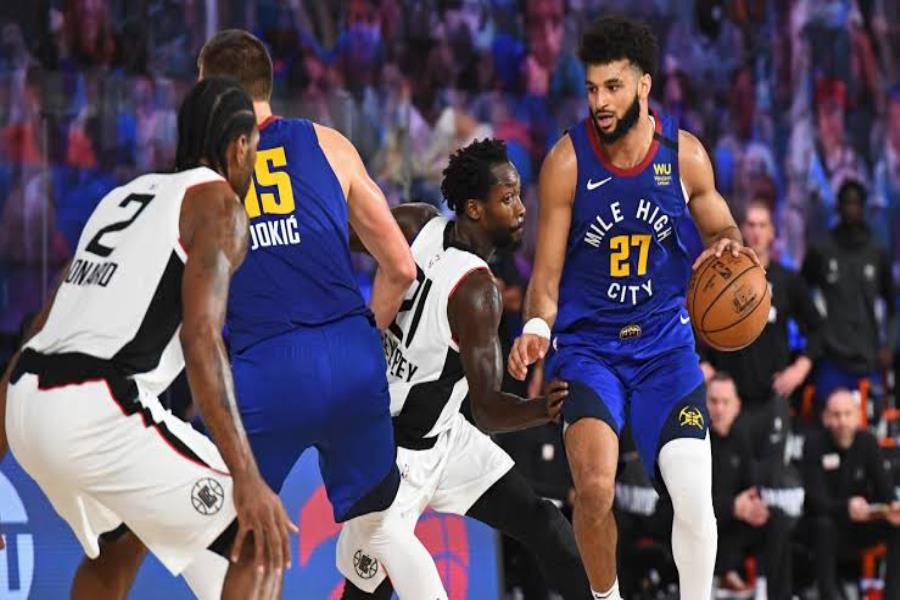
Pick and roll basketball is an offensive action involving a ball handler and a screener. The screener blocks the path of the on-ball defender without moving illegally. After the screen, the screener turns and moves toward the basket. The ball handler then decides whether to drive, pass, shoot, or reset.
In simple terms, pick and roll basketball creates a temporary two-on-one situation. The defense must guard the ball and the rolling player at the same time. Good spacing can also create open shots for teammates.
Featured Snippet Answer
Pick and roll basketball is a two-player play where one player sets a screen for the ball handler and then rolls toward the basket.
Pick and Roll Basketball Quick Fact Table
| Topic | Quick answer |
| Basic purpose | Create an advantage against the defense |
| Main players | Ball handler and screener |
| First action | Screener sets a legal screen |
| Second action | Screener rolls toward the basket |
| Ball handler options | Drive, shoot, pass, reject, or reset |
| Best supporting tool | Proper floor spacing |
| Common defensive replies | Switch, drop, hedge, trap, and go under |
| Key skill | Reading the defense |
| Common result | Layup, open jumper, lob, or kick-out pass |
| Main risk | Turnover caused by poor timing or spacing |
How Pick and Roll Basketball Works
The basic sequence has five parts.
- The ball handler approaches the screen.
- The screener sets a stable and legal screen.
- The ball handler uses the screen closely.
- The screener opens to the ball and rolls.
- The ball handler reads the defense and makes the next play.
Strong pick and roll basketball depends on timing. The screener should not arrive too early or too late. The ball handler should wait until the screen is set. Both players should understand where the help defenders are standing.
The action becomes harder to guard when the ball handler changes speed. A slow setup followed by a fast attack can create separation. The screener can also change the angle of the screen to guide the defender into traffic.
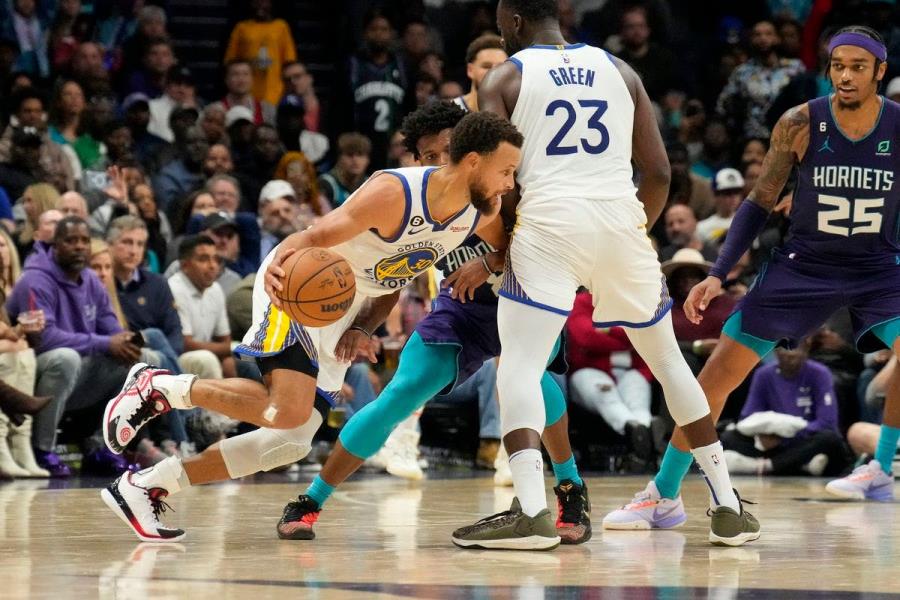
The Two Main Roles
The Ball Handler
The ball handler starts pick and roll basketball by bringing the defender toward the screen. This player needs control, patience, and vision.
The ball handler should:
- Set up the defender before using the screen.
- Brush close to the screener’s shoulder.
- Keep the dribble alive when possible.
- See the roller and weak-side shooters.
- Avoid deciding too early.
- Use pace instead of rushing.
A good ball handler does not treat pick and roll basketball as a fixed play. It is a decision-making action. The best option changes based on the defense.
The Screener
The screener gives pick and roll basketball its shape. A good screen changes the defender’s route and creates a small window for the offense.
The screener should:
- Set both feet before contact.
- Use a strong and balanced stance.
- Choose an effective screening angle.
- Avoid leaning or moving into the defender.
- Open toward the ball after the screen.
- Show clear hands on the roll.
- Finish or pass quickly after catching.
The screener does not always need to make hard contact. Sometimes the screen only needs to delay the defender for a moment.
Read Also: USA vs Spain Basketball Match Preview: Rivalry, Key Matchups and Prediction
Why Teams Use Pick and Roll Basketball
Teams use pick and roll basketball because it creates choices. The defense may switch, go under, fight over, hedge, trap, or stay in drop coverage. Every choice can open a different offensive answer.
The action also helps teams place their best creators in space. A guard can attack downhill. A center can roll to the rim. Shooters can stand beyond the arc and punish help defense.
Another reason pick and roll basketball works is that it can begin from many areas. Teams can run it at the top, on the wing, near the sideline, in transition, or after another action.
Common Pick and Roll Basketball Variations
High Pick and Roll
A high pick and roll basketball action starts near the top of the court. It gives the ball handler room to attack either side. It also makes help defenders cover more space.
Side Pick and Roll
A side pick and roll basketball action begins on the wing. The sideline can act like an extra defender, so the ball handler must read the available lane carefully.
Empty-Side Pick and Roll
In this version of pick and roll basketball, the corner on the action side is empty. That removes one nearby help defender and creates space for the roller.
Double Drag
Double drag uses two screeners in transition or early offense. The first screener may pop while the second rolls. This pick and roll basketball variation can create several quick reads.
Spain Pick and Roll
Spain pick and roll basketball adds a third offensive player. That player screens the defender guarding the roller, then often moves to the perimeter. The extra screen can confuse switches and rim protection.
Pick and Pop
A pick and pop is related to pick and roll basketball, but the screener moves away from the basket after screening. This works well when the screener can shoot.
Short Roll
In a short roll, the screener catches around the free-throw line instead of going directly to the rim. This pick and roll basketball read is useful against traps or aggressive hedges.
Slip Screen
The screener appears ready to screen but cuts early before contact. A slip can punish defenders who move too soon to stop pick and roll basketball.
How Defenses Guard the Action
Defensive coverage determines the best offensive read.
Drop Coverage
In drop coverage, the screener’s defender stays near the paint. The on-ball defender usually fights over the screen. Against this coverage, pick and roll basketball can create a pull-up shot, floater, pocket pass, or lob.
Switch
A switch means the defenders exchange assignments. The ball handler may attack a slower defender. The screener may seal a smaller defender inside. Patient pick and roll basketball can expose the mismatch without forcing a bad shot.
Hedge or Show
The screener’s defender steps toward the ball handler for a moment. The goal is to slow the drive while the original defender recovers. A quick pass to the roller can beat this coverage.
Trap
A trap sends two defenders at the ball handler. The offense should move the ball early. Good pick and roll basketball spacing gives the short roller passing options.
Go Under
The on-ball defender moves below the screen. This protects the driving lane but may allow an open shot. A confident shooter can stop behind the screen.
Ice or Down
This coverage pushes the ball handler away from the screen and toward the sideline or baseline. The ball handler may reject the screen, split space, or pass before the defense gets set.
Best Reads for the Ball Handler
The ball handler should look for these options in order, though the exact order can change:
- Open lane to the basket.
- Pull-up shot if the defender stays back.
- Pocket pass to the roller.
- Lob over the help defender.
- Pass to the short roll.
- Kick-out pass to a shooter.
- Skip pass to the weak side.
- Reset when no advantage appears.
Effective pick and roll basketball is based on reads rather than memorized passes. The ball handler should watch the screener’s defender, the low help defender, and the weak-side wing.
Spacing Around Pick and Roll Basketball
Spacing gives the action room to work. Teammates should avoid standing in the driving lane or directly beside the roller.
A common setup places one player in each corner and another player on the weak-side wing. This creates passing lanes. It also forces help defenders to decide whether to protect the basket or stay with shooters.
Poor spacing can ruin pick and roll basketball before the screen even happens. When players crowd the ball, one defender can guard two offensive players.
Meanings Across Platforms and Coaching Contexts
The phrase can appear in different basketball settings. Its core meaning stays similar, but the focus may change.
| Platform or setting | What the phrase usually means | Example |
| Live game commentary | A screen followed by a roll | “They scored from a middle pick and roll basketball action.” |
| Coaching video | A teaching breakdown of timing and reads | “The coach pauses the clip to explain the roller’s angle.” |
| Social media clip | A short highlight showing the action | “The guard rejects the screen and finds the center.” |
| Basketball video game | A command that calls a screen | “The player calls pick and roll basketball at the top.” |
| Youth practice | A two-player drill for screening and passing | “The coach teaches players to wait for the screen.” |
| Playbook | A named offensive set or entry | “The set ends in side pick and roll basketball.” |
| Fan discussion | A way to describe team tactics | “The offense needs more pick and roll basketball.” |
Pick and Roll Basketball Example Table
| Defensive action | Offensive read | Example result |
| Defender goes under | Stop for an open jumper | Three-point attempt |
| Big defender drops | Use a floater or pocket pass | Paint score |
| Defense switches | Attack the mismatch | Drive or post seal |
| Two defenders trap | Pass to the short roller | Four-on-three attack |
| Weak-side defender helps | Pass to the corner | Open three |
| Defense overplays the screen | Reject the screen | Direct drive |
| Roller’s defender steps up | Throw a lob | Finish at the rim |
| On-ball defender trails | Keep defender on the back hip | Controlled paint touch |
Common Mistakes
Using the Screen Too Early
The ball handler must wait until the screener is set. Leaving early reduces the effect of pick and roll basketball and may cause an offensive foul.
Dribbling Too Wide
A wide path leaves space for the defender to slide through. The ball handler should use the screen tightly.
Rolling Without Seeing the Ball
The screener should open toward the passer. Turning the wrong way can hide the target and slow the play.
Crowded Floor Spacing
Teammates who stand too close make help defense easier. Good pick and roll basketball needs clear lanes.
Predetermining the Pass
The ball handler should not decide to throw the pocket pass before reading the coverage. The defense may switch or trap.
Moving Screen
The screener must establish legal position. Leaning, sliding, or stepping into contact can lead to a foul.
How to Practice Pick and Roll Basketball
Start without defenders. Let the ball handler and screener learn the timing. Then add one defender. Finally, use two defenders and allow different coverages.
A useful progression is:
- Walk through the screen and roll.
- Add a finish at the basket.
- Add a pocket pass.
- Add a pull-up shot.
- Add a weak-side shooter.
- Add live defenders.
- Change the coverage each repetition.
Players should practice pick and roll basketball from both sides of the court. Guards should use both hands. Screeners should roll, pop, slip, and short roll.
Simple Coaching Cues
For the ball handler:
- Slow in, fast out.
- Shoulder to hip.
- Keep the dribble alive.
- Read the big defender.
- See the weak side.
For the screener:
- Sprint into the screen.
- Stop before contact.
- Hold a balanced base.
- Open to the ball.
- Roll with purpose.
- Show both hands.
These cues make pick and roll basketball easier to teach without giving players too many instructions at once.
Pick and Roll Basketball vs. Similar Actions
| Action | Main difference |
| Pick and pop | Screener moves to open shooting space |
| Hand-off | Ball is transferred directly between players |
| Isolation | One player attacks without a planned screen |
| Give-and-go | Passer cuts after making a pass |
| Off-ball screen | Screen is set for a player without the ball |
| Slip | Screener cuts before setting full contact |
| Rescreen | Screener changes the angle and screens again |
Pick and roll basketball can flow into all these actions. A team may begin with a hand-off, move into a screen, then finish with a roll or pop.
Social Media Links for Basketball Learning
These established basketball organizations publish highlights, game clips, news, and educational basketball content. Official NCAA directories list basketball social accounts, while FIBA connects its channels through its social hub.
| Organization | Platform | Valid link |
| NBA | https://www.instagram.com/nba/ | |
| NBA | YouTube | https://www.youtube.com/@NBA |
| NBA | https://www.facebook.com/nba | |
| NBA | X | https://x.com/NBA |
| FIBA | Social hub | https://linktr.ee/fiba |
| FIBA | YouTube | https://www.youtube.com/@FIBA |
| NCAA March Madness | https://www.instagram.com/marchmadnessmbb/ | |
| NCAA March Madness | YouTube | https://www.youtube.com/@MarchMadness |
How Beginners Can Understand the Play Faster
Beginners should focus on the basic problem created by pick and roll basketball. Two offensive players force two defenders to communicate. If the defenders make a late choice, the offense gets an opening.
Do not begin by memorizing every coverage. First learn to notice whether the screener’s defender stays back, steps up, or switches. Those three pictures explain many common situations.
Watching the action at slower speed also helps. Follow only the ball handler on the first viewing. Follow only the screener on the second. Then watch the weak-side help defender.
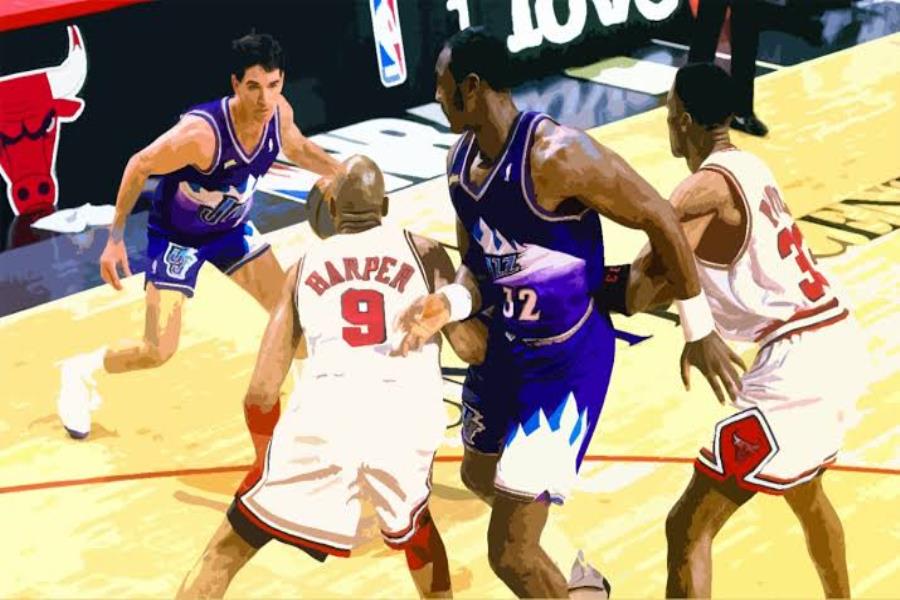
Why Timing Matters
Timing connects every part of pick and roll basketball. The screen must arrive as the ball handler is ready. The roll must begin after the defender reacts. The pass must arrive before help closes the lane.
A late pass can turn an open finish into a turnover. An early roll can leave the ball handler without a useful screen. A rushed dribble can bring both defenders toward the same space.
Good timing does not always mean maximum speed. Many strong players pause, change pace, and make the defense reveal its plan.
Final Thoughts
Pick and roll basketball is simple to describe but difficult to master. It combines screening, dribbling, passing, finishing, spacing, and quick decisions.
The best way to improve is to learn the basic two-player timing, study common defensive coverages, and practice several reads. Players should avoid forcing the first option. Coaches should teach the reason behind each choice.
When the ball handler stays patient and the screener moves with purpose, the action can create efficient shots for the whole team.
Read Also: How to Shoot a Basketball Better: Complete Guide to Becoming a More Accurate Shooter
FAQs
What is pick and roll basketball?
Pick and roll basketball is a play where a screener blocks the ball defender, then moves toward the basket for a pass.
Why is the pick and roll effective?
It forces two defenders to guard several options, including the drive, roll, shot, lob, and pass to an open teammate.
Who sets the screen in a pick and roll?
A forward or center often sets it, but any player can screen when the team’s spacing and matchup support the action.
What should the ball handler read first?
The ball handler should first read the screener’s defender to see whether that player drops, switches, hedges, or traps.
What is a pocket pass?
A pocket pass is a quick pass through a narrow gap to the rolling screener between the two main defenders.
What is the difference between a roll and a pop?
A roll moves toward the basket. A pop moves away from the basket into open shooting space.
How do you stop a pick and roll?
Defenses may switch, drop, trap, hedge, go under, or force the ball handler away from the screen.
Can youth players learn this action?
Yes. Coaches can teach it through simple two-player drills before adding defenders, extra passes, and advanced coverages.
What is a short roll?
A short roll happens when the screener catches in the middle area instead of moving all the way to the basket.
What is Spain pick and roll?
It adds a third offensive player who screens the roller’s defender, then often moves outside for a shot.