
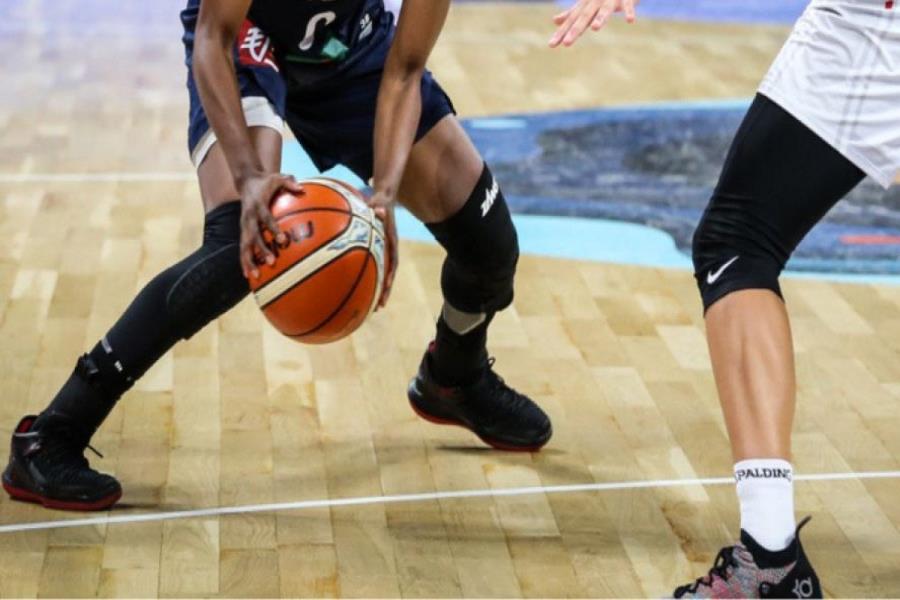
Basketball footwork is a skill that all players seek to develop to improve their speed, balance and decision making. The foundation of good movement is in the feet. It impacts on shooting, passing, defense, rebounding and finishing. A player who has good ball control and is able to spread out and move without turnovers could be able to create space and be free in difficult situations.This guide teaches you the basic moves, drills and habits that can help you improve your game. It’s easy to do. The objective is to build players’ basketball footwork skills and provide focus practice and skill development.
What Is Basketball Footwork?
Basketball footwork is the way a player uses the feet to move, stop, turn, pivot, jump, and change direction during a game. It helps players stay balanced and react faster. Strong foot movement also improves control on offense and defense.
Basketball Footwork Fact Table
| Topic | Quick Meaning |
| Main purpose | Improve balance, control, speed, and body position |
| Core skills | Jump stop, stride stop, pivot, jab step, and drop step |
| Best for | Shooting, defense, passing, rebounding, and finishing |
| Practice level | Beginner to advanced |
| Equipment needed | Basketball, court space, and cones |
| Key focus | Low stance, active feet, and a stable base |
| Common mistake | Moving too fast before learning control |
| Training goal | Make every step useful and balanced |
Why Basketball Footwork Matters
Players often focus on shooting and dribbling first. Those skills matter, but they depend on the feet. Poor steps can ruin a good shot. A weak stop can lead to a travel. Bad balance can make defense slow.
Strong movement helps players move with purpose. It also reduces wasted motion. Every step should help create an advantage.
The main benefits include:
- Better balance when shooting
- Faster changes of direction
- Cleaner stops and pivots
- Stronger defensive positioning
- More control around the rim
- Fewer traveling violations
- Better timing on rebounds
A player does not need to be the fastest on the court. Efficient steps can make a player look faster.
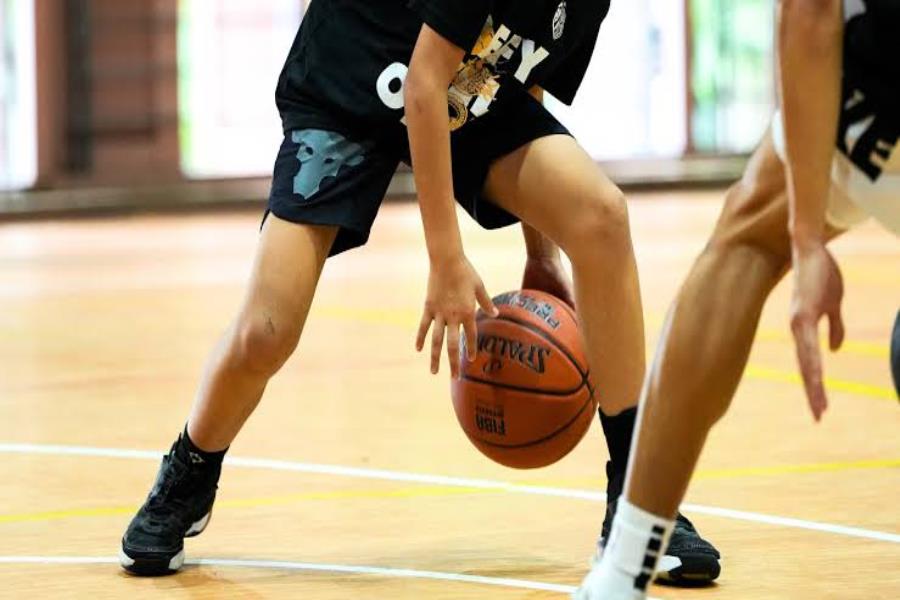
Basic Basketball Footwork Every Player Should Learn
The best way to improve is to master the basics first. These movements appear in almost every game.
1. Athletic Stance
An athletic stance is the base of good basketball footwork. Keep your feet about shoulder-width apart. Bend your knees. Keep your chest up and your weight on the front part of your feet.
Do not stand too tall. A low stance helps you react faster.
2. Jump Stop
A jump stop happens when both feet land at the same time. It helps a player stop with balance and control.
Use it when driving into traffic, catching a pass, or preparing to shoot. After landing, either foot can become the pivot foot.
The jump stop is a key part of effective movement because it gives players more options.
Read Also: 2-2-1 Press: Complete Basketball Guide for Coaches and Players
3. Stride Stop
A stride stop uses one foot and then the other. The first foot usually becomes the pivot foot.
This stop is useful when moving at speed. It can help players flow into a pass, shot, or pivot.
Players must control the order of the feet. Good technique keeps the stop legal and balanced.
4. Pivot
A pivot happens when one foot stays on the floor while the other foot moves. The foot that stays down is the pivot foot.
Pivots help players protect the ball, find passing angles, and escape pressure. Forward pivots and reverse pivots should both be practiced.
Strong technique makes pivots quick without losing balance.
5. Jab Step
A jab step is a short step used to test a defender. It can create space for a shot or drive.
Keep the ball protected. Step hard enough to make the defender react. Then return to a balanced stance.
The jab step works best when the step and body movement look real.
6. Drop Step
The drop step is common in post play. The player steps toward the basket with the foot closest to the baseline or middle.
This move helps seal the defender and create a strong finishing angle. Good positioning keeps the body between the ball and the defender.
Offensive Basketball Footwork
Offensive movement should create space and improve timing. Players need to stop, pivot, cut, and change pace without losing control.
Triple-Threat Position
The triple-threat position allows a player to shoot, pass, or drive. The feet should be balanced. The knees should be bent. The ball should stay protected.
Good balance in this position makes every move more believable.
Catch-and-Shoot Steps
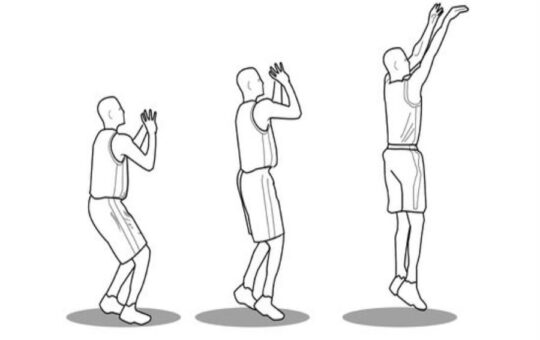
Players should prepare their feet before the ball arrives. Two common options are the one-two step and the hop.
The one-two step uses the inside foot first and then the outside foot. The hop allows both feet to land at once.
Both options can work. The best choice depends on timing and comfort. Repeating the same setup during shooting practice helps make it automatic.
Driving Footwork
A strong drive starts with the first step. Push off the back foot and attack the open space.
Avoid standing up during the move. Stay low and keep the ball close. Clean movement helps a player beat the defender without extra dribbles.
Finishing Steps
Players should learn to finish from either foot and either hand. This makes them harder to guard.
Practice these finishes:
- Right-hand layup from the left foot
- Left-hand layup from the right foot
- Same-foot, same-hand finish
- Two-foot power finish
- Reverse finish
- Euro step
- Pro hop
Each finish uses a different step pattern. Learning several patterns helps players adjust near the rim.
Post Moves
Post players need strong balance and body control. Useful moves include the drop step, jump hook, up-and-under, and step-through.
The feet should stay active but controlled. Smart positioning helps a post player create space without pushing off.
Defensive Basketball Footwork
Defense starts with stance and position. Reaching with the hands often happens when the feet are late.
Defensive Slide
Push from the opposite foot and stay low. Do not bring the feet too close together. Avoid crossing the feet during short slides.
Strong basketball footwork helps defenders stay square to the ball.
Drop Step on Defense
When an attacker gains an angle, the defender can use a drop step to turn and recover. The hips open while the back foot drops.
This move is useful in transition and one-on-one defense. Quick basketball footwork can stop a clear driving lane.
Closeout Steps
A closeout starts with a sprint and ends with short, controlled steps. Keep one hand high and stay balanced.
Do not fly past the shooter. Controlled basketball footwork makes it easier to challenge the shot and stop the drive.
Crossover Run
A crossover run is used when a defender needs to cover more ground. The feet cross while the body turns slightly.
After recovering, return to a defensive slide. This basketball footwork pattern is faster than sliding over a long distance.
Basketball Footwork Drills for Beginners
Beginners should practice slowly before adding speed. Correct movement matters more than rushing.
Drill 1: Line Jump Stops
Run to a court line and land in a balanced jump stop. Hold the position for two seconds.
Repeat from both directions. This drill teaches basketball footwork control and balance.
Drill 2: Pivot Square
Stand inside a marked square. Practice forward and reverse pivots on both feet.
Keep the pivot foot down. This basketball footwork drill helps players avoid traveling.
Drill 3: Cone Jab Series
Place a cone in front of you. Start in triple-threat position. Jab left, return, jab right, and return.
Stay low and keep the ball protected. This builds sharper basketball footwork for attacking.
Drill 4: Defensive Slide Lane
Slide from one side of the lane to the other. Touch the line and push back.
Keep the shoulders level. This basketball footwork drill builds lateral control.
Drill 5: Layup Step Pattern
Practice the final two steps without a ball. Then add the ball and finish.
Repeat on both sides. This improves basketball footwork near the basket.
Advanced Basketball Footwork Drills
Advanced players should add speed, contact, and decision-making.
Reaction Cone Drill
Set up three cones. Have a coach or partner call a direction. Move to the correct cone using a slide, sprint, or crossover run.
This drill improves reaction time and basketball footwork under pressure.
Catch, Pivot, and Pass Drill
Catch the ball, jump stop, pivot away from pressure, and make a pass.
Use both pivot feet. This basketball footwork drill helps guards and forwards handle traps.
Closeout and Contain Drill
Sprint toward a shooter, break down with short steps, and contain one or two dribbles.
The goal is to stay balanced. This drill connects defensive basketball footwork with game movement.
Finishing Choice Drill
Attack the basket and choose a finish based on a coach signal. Use a Euro step, jump stop, stride finish, or reverse.
Changing the finish builds flexible basketball footwork around the rim.
Read Also: How to Shoot a Basketball Better: Complete Guide to Becoming a More Accurate Shooter
Basketball Footwork Examples by Game Situation
| Game Situation | Footwork Used | Example |
| Catching on the wing | One-two step | Catch, square up, and shoot |
| Driving into traffic | Jump stop | Stop under control and pass |
| Beating a closeout | Jab step | Fake the shot and attack |
| Guarding a fast player | Defensive slide | Stay square and cut off the lane |
| Recovering after getting beat | Drop step | Turn the hips and sprint back |
| Playing in the post | Pivot and drop step | Seal the defender and finish |
| Finishing around help defense | Euro step | Change direction around the blocker |
| Rebounding | Box-out step | Find contact and secure position |
Meanings Across Basketball Platforms
The phrase can appear in different training settings. The core meaning stays the same, but the focus may change.
| Platform or Setting | Meaning of Basketball Footwork | Example Use |
| Youth coaching | Basic steps and balance | Teaching jump stops and pivots |
| High school training | Game-ready movement | Closeouts, cuts, and finishing |
| College basketball | Speed and decision-making | Reading defenders during movement |
| Professional training | Small movement details | Creating space with one quick step |
| Social media drills | Short skill demonstrations | Cone drills and pivot tutorials |
| Video games | Player movement controls | Using direction changes to create space |
Common Basketball Footwork Mistakes
Many players lose control because they move before setting their base.
Standing Too Tall
Tall posture slows reaction time. Bend the knees and stay ready.
Crossing the Feet on Defense
Crossing the feet during a short slide can hurt balance. Push and slide instead.
Taking Extra Steps
Extra steps often lead to traveling. Practice stops and pivots slowly.
Landing Off Balance
A player should land with a stable base. Poor landings make the next move harder.
Ignoring the Weak Side
Players should practice every move in both directions. Balanced basketball footwork makes a player less predictable.
Moving Fast Without Control
Speed is useful only when the player can stop and change direction. Build control first.
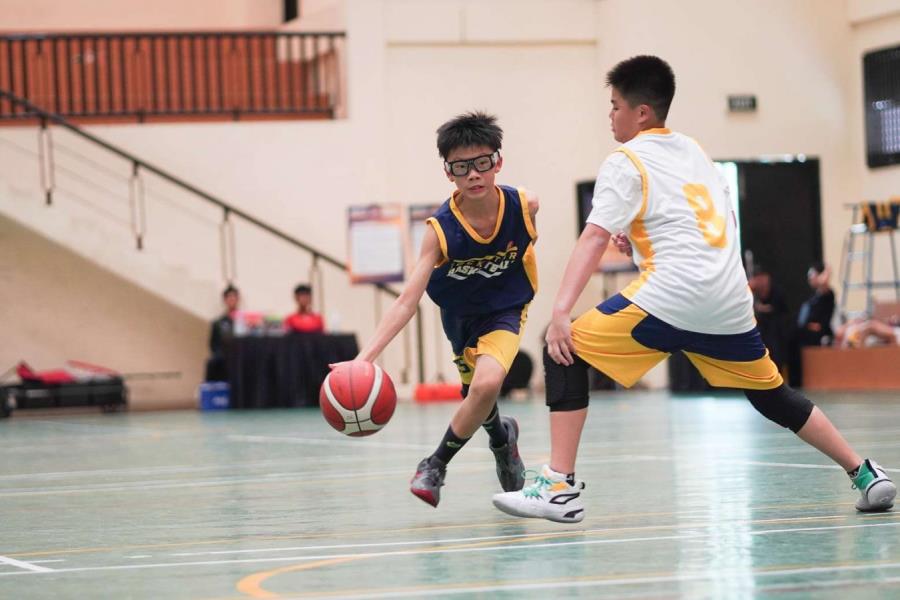
How to Improve Basketball Footwork Faster
Improvement comes from focused practice. Ten good minutes can be more useful than a long session with poor form.
Use this simple process:
- Start with stance and balance.
- Practice stops and pivots.
- Add the ball.
- Add speed.
- Add a defender.
- Use the move in live play.
Record short practice clips when possible. Watch the feet, balance, and body position. This can reveal small issues.
Consistent basketball footwork practice should be part of every workout.
15-Minute Basketball Footwork Workout
| Time | Drill |
| 3 minutes | Athletic stance and quick feet |
| 3 minutes | Jump stops and stride stops |
| 3 minutes | Forward and reverse pivots |
| 3 minutes | Jab steps and first-step drives |
| 3 minutes | Defensive slides and closeouts |
This short basketball footwork workout can be done before shooting practice. It prepares the body and sharpens movement.
Basketball Footwork Tips for Guards
Guards need quick stops, sharp changes of pace, and strong balance.
Focus on:
- One-two shooting steps
- Retreat dribbles with balanced feet
- Jab steps
- Split steps
- Change-of-direction moves
- Closeout attacks
Good basketball footwork helps guards create space without over-dribbling.
Basketball Footwork Tips for Forwards
Forwards often move between the perimeter and the post. They need both guard and post skills.
Practice pivots, rip-through steps, closeout attacks, and power finishes. Strong basketball footwork helps forwards score from different areas.
Basketball Footwork Tips for Centers
Centers need a wide base and strong post position. They should practice drop steps, jump hooks, pivots, and box-outs.
Simple basketball footwork often works best in the post. One strong move can create a clear finish.
Social Media Links for Basketball Footwork Learning
| Platform | Best Use | Valid Link |
| YouTube | Full drill videos and coaching breakdowns | https://www.youtube.com/ |
| Short training clips and movement ideas | https://www.instagram.com/ | |
| TikTok | Quick drill demonstrations | https://www.tiktok.com/ |
| Coaching groups and team pages | https://www.facebook.com/ | |
| X | Coaching tips and basketball discussion | https://x.com/ |
| Player questions and training discussions | https://www.reddit.com/r/Basketball/ |
Use these platforms to find ideas, but check the source. A useful coach should explain the purpose of each drill instead of only showing fast movement.
Final Thoughts
Moving quickly isn’t the only part of basketball footwork. It’s about. getting there at the right moment and being balanced and controlled. A strong foot aids all aspects of the game.
Start with simple movements. Repeat on both sides. Increase the speed only once the movement is familiar.
Basketball footwork training will help players to be more efficient. They make better stops, make better defense and provide more scoring opportunities. The slightest improvements in feet can mean big improvements all over the court.
Read Also: Nation Williams: Biography, Background, Career, and Latest Facts
FAQs
What is basketball footwork?
Basketball footwork is the use of steps, stops, pivots, and direction changes to improve balance, control, and movement.
Why is basketball footwork important?
It improves shooting balance, defensive position, finishing control, and decision-making while reducing wasted movement and traveling violations.
What are the basic footwork moves in basketball?
The main moves are the jump stop, stride stop, pivot, jab step, drop step, defensive slide, and closeout.
How can beginners improve their footwork?
Beginners should practice stance, jump stops, pivots, defensive slides, and layup steps slowly before adding speed.
How often should players train footwork?
Players can train footwork for 10 to 15 minutes during each regular practice session.
Does footwork help shooting?
Yes. Better foot placement improves balance, alignment, rhythm, and control before a player releases the shot.
What is the best footwork drill?
The best drill depends on the goal, but jump-stop and pivot drills are useful for most players.
Can footwork make a player faster?
Yes. Efficient steps reduce wasted movement and help a player react and change direction faster.
2 Comments