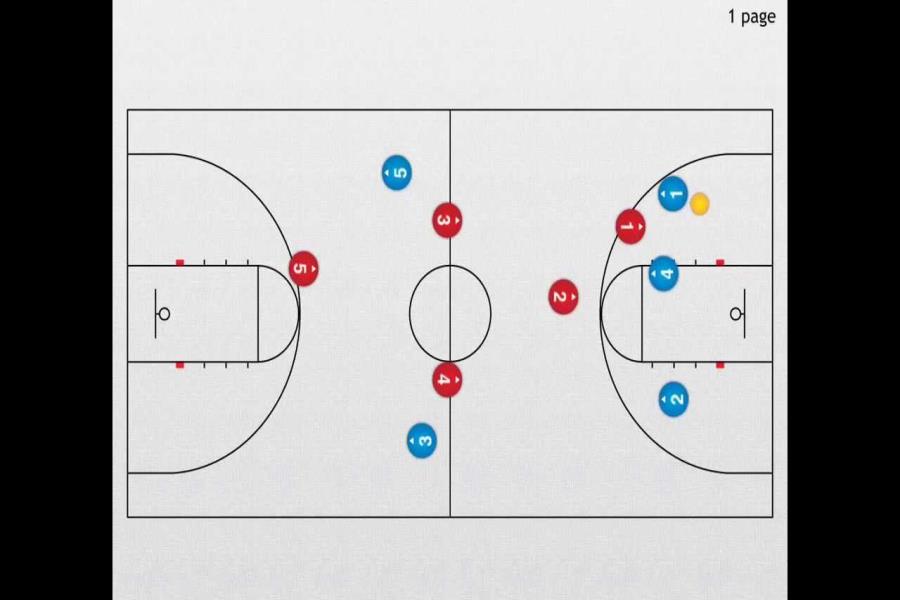
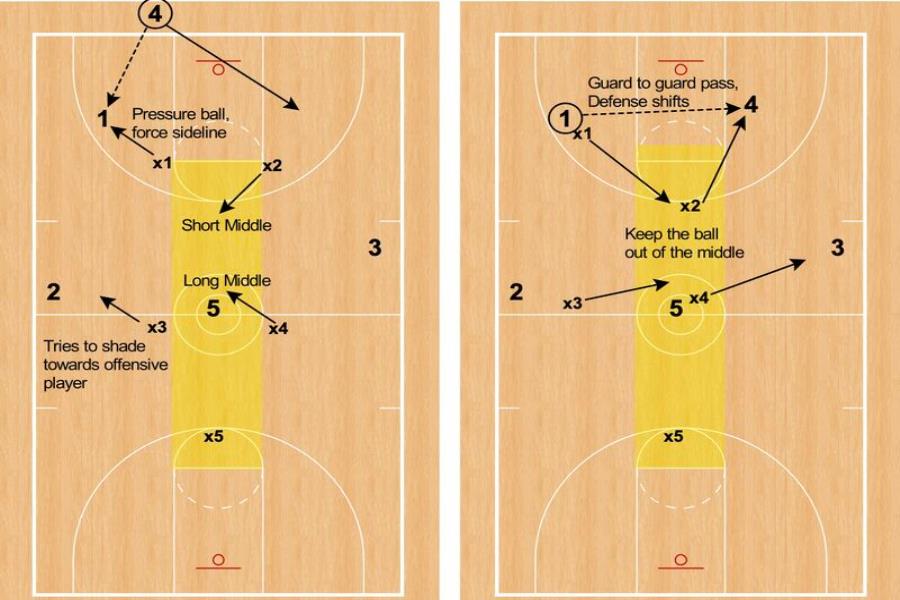
The 2-2-1 press is a full-court zone defense built to slow the ball, guide passes toward the sideline, and create trapping chances. Two defenders start near the front, two protect the middle area, and one player stays deep as the safety. When all five players move together, the system can force rushed passes without turning every possession into a gamble.
Quick Answer: What Is a 2-2-1 Press?
A 2-2-1 press is a zone press with two defenders in the front line, two in the middle line, and one deep defender. Its main goal is to control direction, trap near a sideline, and protect the basket through layered rotation.
USA Basketball describes the basic alignment with two defenders near the inbound baseline, two defenders around the half-court area, and one defender near the far end as protection.
2-2-1 Press Fact Table
| Feature | Quick explanation |
| Defensive type | Full-court zone press |
| Starting shape | Two front, two middle, one deep |
| Main objective | Slow advancement and force difficult passes |
| Common trap zones | Sidelines, corners, and selected half-court areas |
| Key skill | Fast rotation after every pass |
| Deep defender’s job | Protect the rim and read long passes |
| Best against | Teams with weak spacing or uncertain ball handlers |
| Main risk | Open middle, diagonal pass, or numbers advantage |
| Ideal result | Deflection, rushed pass, timeout, or controlled turnover |
Why Coaches Use the 2-2-1 Press
Coaches often choose the 2-2-1 press because it gives the defense pressure and protection at the same time. It does not require the first defender to chase the ball all over the floor. Instead, each player guards an area, reacts to the pass, and rotates as part of a five-player unit.
The defense can help a team:
- Reduce the opponent’s pace
- Make the inbound pass less comfortable
- Direct the ball toward a sideline
- Create predictable passing angles
- Use active hands without constant reaching
- Take time away from the offense
- Change the rhythm of a game
The 2-2-1 press can also flow into a half-court zone. That makes it useful for teams that want one connected defensive system.
Read Also: Scottie Adkinson Basketball Profile: Career, Stats, Recruiting, and Future
How the 2-2-1 Press Is Set Up
The basic 2-2-1 press has three lines.
Front Line in the 2-2-1 Press
The first two defenders begin near the inbound area. They are not simply trying to steal the first pass. Their first task is to influence where that pass goes.
A good front line:
- Shows pressure without losing balance
- Closes the middle
- Guides the receiver toward a sideline
- Avoids getting split
- Communicates which side is active
In many versions of the 2-2-1 press, the front defender nearest the ball contains the dribbler. The other front defender drops toward the center and reads the next pass.
Middle Line in the 2-2-1 Press
The next two defenders protect the middle section of the floor. They must see both the ball and nearby offensive players.
Their jobs include:
- Denying passes into the middle
- Stepping up to form a trap
- Covering the next sideline receiver
- Reading diagonal passes
- Recovering when the ball changes sides
The middle line often determines whether the 2-2-1 press stays organized. Late movement creates open lanes. Early movement can give away an easy pass.
Deep Defender in the 2-2-1 Press
The final player is the safety. This defender must remain patient. Chasing a steal too early can leave the basket open.
The safety should:
- Stay deeper than the deepest attacker
- Read long passes
- Protect the rim
- Stop a two-on-one break
- Call out cutters and rotations
- Move with the flight of the ball
The deep defender makes the 2-2-1 press safer than a press that sends every player forward.
How the 2-2-1 Press Works Step by Step
1. Influence the Inbound Pass
The 2-2-1 press starts before the ball enters play. Front defenders take away easy central targets and encourage a pass toward one side.
The aim is not always an immediate steal. The aim is to make the first action predictable.
2. Contain the First Catch
Once the ball is caught, the nearest defender closes under control. The defender should not run past the ball handler or open a direct lane to the middle.
The on-ball defender angles the body so the sideline acts like an extra defender. This is a key principle in the 2-2-1 press.
3. Protect the Middle
As the ball moves up one side, the off-ball front defender and the ball-side middle defender squeeze the central passing lane.
A pass to the middle can break the 2-2-1 press because the receiver may see both sides of the court. That is why middle protection comes before a reckless trap.
4. Form the Trap
The trap usually comes when the dribbler reaches a planned area. One defender contains. A second defender arrives with balance and closes the escape lane.
Both players should keep their hands high, avoid unnecessary contact, and prevent a clean pass over the top. A good trap is controlled rather than wild.
5. Rotate Behind the Trap
The three defenders away from the trap must move as soon as the second defender commits.
One player protects the middle. Another reads the nearest outlet. The safety shifts toward the likely long pass.
Without rotation, the defense becomes two defenders trapping while three defenders watch.
6. Recover or Convert
When the offense escapes, the defense must know its next call. Some teams return to the original shape. Others sprint into a half-court zone or matchup defense.
The system works best when every player knows the conversion plan before the possession begins.
Best Trap Areas
| Trap area | Why it works | Main coaching warning |
| Backcourt sideline | Sideline limits movement | Do not allow a split |
| Backcourt corner | Baseline and sideline reduce exits | Avoid fouling the inbound receiver |
| Just before half court | Ball handler may feel rushed | Watch the middle flash |
| Just after half court | Backcourt return rules may add pressure | Protect diagonal and reversal passes |
| Deep corner | Limited passing angles | Safety must protect the rim |
A coach should not ask this defense to trap everywhere. Clear trigger points make rotations faster and reduce confusion.
Common 2-2-1 Press Rules
Simple rules help players react quickly.
- Keep the ball out of the middle.
- Force the dribbler toward a sideline.
- Trap only at the team’s chosen trigger.
- Move on the pass, not after the catch.
- Keep one defender deeper than the deepest attacker.
- Do not let two defenders guard the same harmless player.
- Sprint back when the press is broken.
- Finish the possession with a rebound.
The press becomes more reliable when these rules stay consistent from practice to games.
Strengths of the 2-2-1 Press
It Controls Tempo
The 2-2-1 press can make an offense use more time before starting its normal half-court action. That may be useful against teams that prefer quick entries.
It Creates Sideline Pressure
The alignment naturally encourages the ball toward one side. Once the ball reaches the boundary, defenders can reduce space and close passing windows.
It Offers Rim Protection
Because one defender stays deep, the 2-2-1 press has a built-in safety layer. The last defender can read long passes and delay a fast break.
It Can Hide Individual Matchups
A zone press assigns areas and rotations rather than one fixed opponent. This may help a team avoid exposing one defender in full-court isolation.
It Can Create Deflections
This alignment places defenders in passing lanes. Even when it does not produce a clean steal, a tip or changed pass can disrupt timing.
Weaknesses of the 2-2-1 Press
The Middle Can Open
A clean catch in the center gives the offense strong vision. The receiver may turn, attack, or pass diagonally.
Reversals Can Stretch the Defense
Fast ball reversal can force the 2-2-1 press to shift across the full width of the floor. Slow communication often leads to an open receiver.
The Safety May Face Two Attackers
If the first two lines are beaten, the deep defender may need to stop a two-on-one. The safety must delay the play instead of gambling.
Trapping Can Lead to Fouls
Poor footwork and reaching can turn pressure into free throws. Players should trap with their feet, chest position, and high hands.
It Requires Team Discipline
One player leaving the structure can break the entire defense. All five defenders must understand the same trigger and rotation.
How Offenses Try to Beat It
Understanding the attack helps coaches improve the defense.
| Offensive action | Why it challenges the defense | Defensive response |
| Middle flash | Opens both sides | Deny early and collapse on the catch |
| Quick reversal | Forces a long shift | Move while the pass is traveling |
| Diagonal pass | Skips one defensive line | Safety reads the passer’s eyes |
| Dribble split | Breaks the trap | Trappers close the gap with their feet |
| Long pass | Attacks behind the press | Deep defender stays deeper |
| Short inbound and return | Moves front defenders | Communicate and exchange areas |
A prepared defense expects these actions. It does not react with panic.
Coaching the 2-2-1 Press
Teach Position Before Speed
Players should first walk through the 2-2-1 press. Stop after each pass. Check spacing, body angle, and vision.
Once the shape is correct, increase the speed.
Use Clear Vocabulary
Choose one word for each action. Examples include “sideline,” “trap,” “middle,” “reverse,” and “release.”
The 2-2-1 press becomes easier to run when players use the same language.
Grade the Process
Do not judge the defense only by steals. A successful possession may force a slow entry, poor pass, or timeout.
Useful grading points include:
- First-pass direction
- Middle denial
- Trap timing
- Back-side rotation
- Safety depth
- Conversion into half-court defense
Keep the Safety Accountable
The safety should not stand still. This player moves with the ball while remaining deep enough to protect the basket.
A smart safety gives the team confidence to apply pressure up front.
Drills for the 2-2-1 Press
5-on-0 Rotation Drill
Place five defenders in the formation. A coach moves the ball between planned spots. Defenders rotate on every pass.
Focus on communication and spacing.
5-on-5 Controlled Advance
The offense tries to cross half court without attacking the basket. The defense works on direction, trap timing, and recovery.
This drill teaches the 2-2-1 press without adding too many decisions at once.
Sideline Trap Drill
Use two defenders and one ball handler near a sideline. The defenders practice containing, arriving under control, and keeping their hands high.
Three-Player Safety Drill
Use two offensive players against one deep defender. The defender practices delaying the break, protecting the rim, and forcing an extra pass.
Live Conversion Drill
Begin with the 2-2-1 press. When the offense crosses a chosen line, the defense converts into its half-court call.
This connects pressing with the rest of the defensive system.
2-2-1 Press Practice Plan Example
| Time | Activity | Main focus |
| 5 minutes | Walk-through | Starting spots and responsibilities |
| 6 minutes | 5-on-0 movement | Rotation on the flight of the pass |
| 6 minutes | Sideline trap drill | Footwork and high hands |
| 6 minutes | Safety drill | Delay and rim protection |
| 8 minutes | Controlled 5-on-5 | Middle denial and trap triggers |
| 9 minutes | Live play | Conversion and rebounding |
USA Basketball also recommends pressure-based passing drills to help offensive players reduce turnovers and improve execution. These drills can make practice more realistic for both units.
When to Use the 2-2-1 Press
This defense may fit when:
- The opponent has uncertain ball handlers
- Your team has active and disciplined defenders
- You want to slow a fast offense
- You need a change of rhythm
- You want to protect a lead without becoming passive
- Your half-court defense can match the press alignment
It may be less effective when the opponent has several calm passers, strong middle positioning, and good diagonal passing.
Youth Basketball Considerations
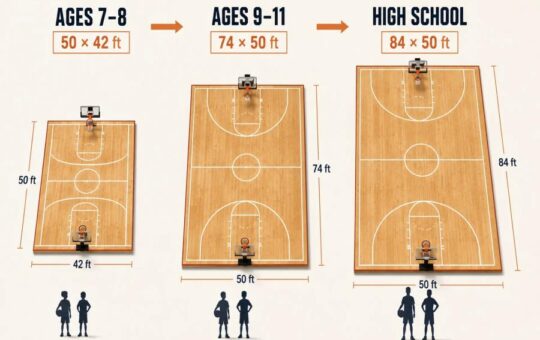
Coaches should check local competition rules before using the 2-2-1 press. USA Basketball’s youth guidelines limit pressing for younger age groups and allow broader pressing as players get older.
For example, the published guidelines do not allow pressing for ages 7–8. Ages 12–14 and grades 9–12 may use pressing with stated sportsmanship limits.
The NFHS also notes that a full-court press should be defined by clear pickup points, purpose, and team rules rather than treated as random pressure.
For young players, the 2-2-1 press should teach movement, communication, balance, and teamwork. It should not become an excuse to chase easy steals against beginners.
2-2-1 Press Meaning Across Basketball Platforms
| Platform or setting | What the term usually means | Example use |
| Coaching clinic | A teachable full-court zone system | “Today we will install the first rotation.” |
| Playbook | A diagram with two front, two middle, and one deep defender | “Page 14 shows the sideline trap.” |
| Broadcast | A quick label for the team’s press alignment | “They have changed into a 2-2-1 shape.” |
| Basketball forum | A discussion about setup, traps, or counters | “How do you protect the middle?” |
| Social media clip | A short video showing a rotation or turnover | “Watch the back-side defender move early.” |
| Practice plan | A defensive segment with clear rules | “Eight minutes of live press work.” |
Example Calls and Player Communication
| Call | Meaning | Player response |
| “Side” | Guide the ball toward the boundary | On-ball defender changes angle |
| “Middle” | An attacker is flashing centrally | Nearest defender closes the lane |
| “Trap” | The trigger has been reached | Second defender closes under control |
| “Reverse” | Ball is moving to the opposite side | All five defenders shift |
| “Release” | End the trap and recover | Trappers return to assigned areas |
| “Home” | Protect the basket | Safety drops and teammates sprint back |
Strong communication keeps the 2-2-1 press connected when the ball changes sides.
Read Also: How to Shoot a Basketball Better: Complete Guide to Becoming a More Accurate Shooter
Official Basketball Social Media Links
| Organization | Platform | Valid link |
| USA Basketball | instagram.com/usabasketball | |
| USA Basketball | X | x.com/usabasketball |
| USA Basketball | YouTube | youtube.com/@usabasketball |
| FIBA | instagram.com/fiba | |
| FIBA | X | x.com/fiba |
| FIBA | YouTube | youtube.com/fiba |
| NCAA March Madness | instagram.com/marchmadnessmbb | |
| NBA | YouTube | youtube.com/nba |
Common 2-2-1 Press Mistakes
Trapping Too Early
An early trap may leave a simple outlet behind it. The second defender should wait for the correct location and angle.
Chasing the Ball
The 2-2-1 press is a team zone. Players should cover areas and passing lanes rather than follow the ball without structure.
Standing During a Pass
Defenders must move while the ball travels. Waiting for the catch gives the offense time to see the next option.
Losing Safety Depth
The last defender should not move beside an attacker who is far from the ball. Staying deep protects the basket and long pass.
Forgetting the Rebound
The possession is not over when the offense reaches half court. The 2-2-1 press must finish with solid half-court defense and a rebound.
Final Thoughts
The 2-2-1 press is most effective when it is taught as a connected system. The front line controls direction. The middle line protects central space and forms traps. The safety reads long passes and protects the rim.
A good 2-2-1 press does not depend on constant gambling. It depends on angles, timing, communication, and recovery. Teach the shape first. Add speed next. Then use live practice to build trust between all five defenders.
FAQs
What is a 2-2-1 press in basketball?
A 2-2-1 press is a full-court zone defense with two front defenders, two middle defenders, and one deep safety.
What is the main goal of the 2-2-1 press?
The goal is to slow the offense, guide the ball toward a sideline, protect the middle, and create controlled traps.
Where should a team trap?
Most teams trap near a sideline, corner, or chosen half-court trigger where the ball handler has fewer escape routes.
Who protects the basket?
The deep defender protects the rim, reads long passes, and delays fast-break situations after the first lines are beaten.
Can youth teams use this defense?
It depends on age and league rules. Coaches should check local rules and avoid pressing in ways that harm player development.
What beats the 2-2-1 press?
Middle catches, fast reversals, diagonal passes, strong spacing, and calm decisions can create openings against the defense.
Is the 2-2-1 press man-to-man?
No. It is normally taught as a zone press, though coaches may add matchup rules within specific areas.
What happens after half court?
The defense may recover into the same shape, convert to a zone, or match up in man defense based on the coach’s call.
How often should a team practice it?
Short and regular sessions work well. Teams should practice alignment, trapping, rotation, safety play, and conversion under pressure.
Does the press need fast players?
Speed helps, but positioning, communication, anticipation, and disciplined movement are more important than uncontrolled chasing.